Introduction
If you have come across the word Babybelletje, you may have wondered what it actually means. At first glance, it looks like a playful Dutch word, but it can also remind people of the well-known Babybel cheese brand. That is why the term can be confusing, especially for people who encounter it online without any context.
The meaning of Babybelletje depends largely on how the word is being used. It can be understood in relation to the Dutch word belletje, while online food-related content may use it informally when talking about Mini Babybel. Importantly, Babybelletje should not automatically be treated as the official name of a Babybel product.
This guide explains the term in simple English, looks at its Dutch connection, and explores why it is associated with Mini Babybel cheese. You will also learn about Mini Babybel’s ingredients, nutrition, varieties, storage, serving ideas, and common questions. By the end, you should have a much clearer understanding of what Babybelletje means and why people use the word in different ways.
What Does Babybelletje Mean?
The simplest answer is that Babybelletje is a context-dependent term. It is not as straightforward as a standard product name or a common English word. Part of the confusion comes from the Dutch word belletje. Dutch dictionaries give belletje several meanings, including a small bell, while it is also commonly used in an informal expression meaning a phone call.
Babybelletje in Simple Words
When people use Babybelletje in a language-related context, they may be playing with the sound and structure of Dutch. The word belletje can refer to a little bell, and the ending gives the word a diminutive form. When the term appears in food-related discussions, however, it may be used informally in connection with the small, round Babybel cheese.
This makes context especially important. A person discussing Dutch vocabulary may have something very different in mind from someone talking about a snack.
What Does Belletje Mean in Dutch?
The Dutch word bel means “bell,” and belletje is a diminutive form associated with a small bell. Dutch uses diminutive forms extensively, and endings such as -je and -tje can change the feeling or size suggested by a word.
Because of this, Babybelletje can sound playful or affectionate to someone familiar with Dutch. However, the complete word should not automatically be treated as a formal dictionary definition.
Is Babybelletje an Official Dutch Word?
There is an important distinction between belletje, which is established Dutch vocabulary, and Babybelletje, whose meaning is more dependent on context. Online repetition alone does not make a term an official dictionary word. This is one reason different websites may explain Babybelletje differently.
Babybelletje and Mini Babybel: Are They the Same Thing?
The strongest food-related connection is with Mini Babybel, the small individually wrapped cheese snack. Babybel’s official website describes Mini Babybel as real semisoft cheese presented in a palm-sized snack format.
Is Babybelletje the Official Name of Mini Babybel?
No. Mini Babybel is the recognizable commercial product name. Babybelletje is better treated as an informal or context-dependent expression rather than as an official product variety.
This distinction matters because it prevents a common misunderstanding. If you are writing product information, shopping for the cheese, or checking a package, “Mini Babybel” is the precise name to use.
Why Does Mini Babybel Get Associated With Babybelletje?
The connection is easy to understand. Mini Babybel is small and round, while the word belletje has a diminutive sound. The combination of “Babybel” and a Dutch-style diminutive can therefore sound like a playful way of referring to a little Babybel.
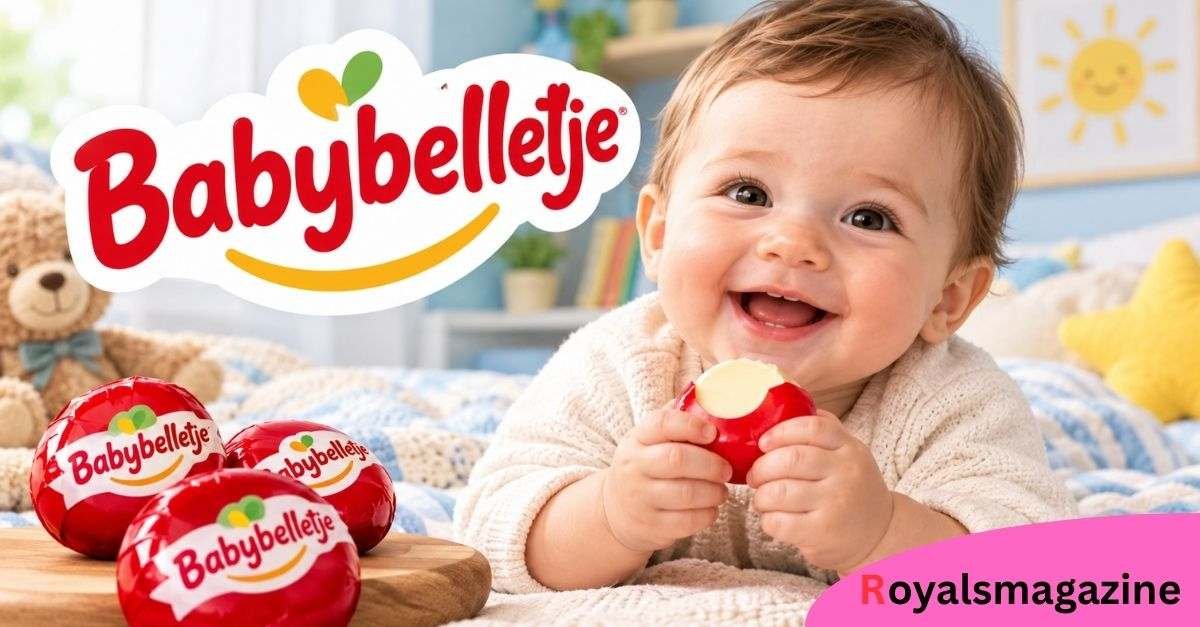
The association is also strengthened by the product’s appearance. Mini Babybel comes as individual small cheese portions covered in its familiar wax coating, making it visually and conceptually easy to describe as a “little” Babybel.
| Term | Meaning or use |
| Babybel | Brand name |
| Mini Babybel | Official small cheese product |
| Bel | Dutch word associated with a bell |
| Belletje | Dutch diminutive associated with a small bell |
| Babybelletje | Context-dependent or informal term |
The Dutch Language Behind Babybelletje
Understanding the Dutch language helps explain why Babybelletje has a playful sound. Dutch commonly uses diminutive forms to describe something small, familiar, or otherwise expressed in a more informal way. The ending is not simply a direct translation of the English word “little”; its effect depends on the particular word and context.
How Dutch Diminutives Work
Dutch has several diminutive endings, including -je and -tje. They can indicate physical smallness, but they can also give a word a friendly, familiar, or informal tone. That is why a diminutive should not always be translated literally.
Bel to Belletje
The relationship can be understood simply as bel → belletje. Bel refers to a bell, while belletje can refer to a small bell. Dictionary sources also show that belletje has other established uses, including an informal reference to a telephone call.
This is an important detail because it shows why translating the word without context can be misleading.
Is Babybelletje Formal or Informal?
If you are discussing Dutch vocabulary academically or writing formal product information, it is better to use the precise established term that matches your meaning. Babybelletje has a more playful and informal feel, particularly when connected with the Babybel brand.
What Is Mini Babybel Cheese?
Mini Babybel is a small, individually portioned cheese designed as a convenient snack. The original version is made with real cow’s milk and is described by the manufacturer as a semisoft cheese. It is pasteurized and formed into its familiar round shape before being coated with wax.
The taste of the original cheese is mild and creamy, which makes it easy to eat on its own or combine with other foods. Its individual size also makes it convenient for lunchboxes, quick snacks, and travel when stored appropriately.
One of the most recognizable features is the wax coating. The wax helps protect the cheese and maintain freshness, but it is not intended to be eaten. Babybel recommends pulling the tabs, peeling away the wax casing, and then eating the cheese.
The manufacturing process is also interesting. According to Babybel, milk is pasteurized and transformed into curd, which is pressed into individual molds. The cheese is then placed in salted water, or brine, to help preserve it and develop its flavor. Finally, each piece is coated in wax before receiving its familiar wrapper.
Mini Babybel Nutrition and Snack Ideas
Nutrition can vary according to the Babybel variety and the country where it is sold, so the package label should always be treated as the final reference. For example, the current U.S. listing for Mini Babybel Original gives 70 calories, 4 grams of protein, and 140 mg of calcium per 20-gram piece.
Mini Babybel can fit conveniently into a balanced snack because it provides protein and calcium in a small serving. However, describing it as universally “healthy” would be too broad. A person’s overall diet, portion size, sodium intake, saturated fat intake, and individual nutritional needs all matter.
It can also be paired with other foods to make a more complete snack. Try Mini Babybel with an apple, grapes, cucumber, carrots, whole-grain crackers, or a small handful of nuts. Babybel itself suggests combining its cheese with whole grains, fruit or vegetables, nuts, and water as part of mindful snacking.
For vegetarians, Babybel states that its Mini Babybel cheese is suitable for lacto-vegetarian diets and that no animal-origin rennet is used. Instead, microbial enzymes are used in production.
Babybel Varieties, Storage and Safety
The Babybel range includes more than the classic Original variety. Depending on the market, consumers may find options such as Reduced Fat, White Cheddar, Mozzarella, Plant-Based, and PRO. Formulas and availability can change by country, so checking the local package is important.
The Plant-Based version is particularly different from traditional Mini Babybel because it is a cheese alternative rather than dairy cheese. Babybel currently describes its Plant-Based Original as certified plant-based and vegan, with calcium and vitamin B12.
Storage is equally important. Babybel recommends keeping Mini Babybel refrigerated when it is not being eaten. Its current FAQ says the cheese can be safely taken on the go for around two to four hours, after which remaining cheese can be returned to the refrigerator. The company also advises eating the cheese soon after removing its wax coating and says not to freeze it because freezing can affect quality.
Parents should also pay attention to serving size and choking risks. Babybel advises cutting the cheese into bite-sized pieces for children under four and supervising children while they eat.
Common Misunderstandings About Babybelletje
One of the biggest misunderstandings about Babybelletje is assuming that it is automatically the official name of a particular cheese. The available product information identifies Mini Babybel as the commercial product name, while Babybelletje is better understood according to its context.
Another misunderstanding comes from treating belletje and Babybelletje as exactly the same word. They are not. Belletje has established Dutch meanings, including the sense of a small bell, while Babybelletje adds “Babybel” to the expression and therefore creates a different, more context-dependent term.
It is also easy to assume that the word must refer to something related to babies. The “Baby” portion can create that impression for English speakers, but the word may instead be encountered because of the Babybel brand.
For accurate writing, the safest approach is to explain the context rather than force one definition. If you mean cheese, use Mini Babybel. If you are explaining Dutch vocabulary, discuss belletje and its diminutive meaning. This approach gives readers a clearer and more reliable explanation.
FAQ’s
1. What is the simplest meaning of Babybelletje?
Babybelletje is a context-dependent term. It can be understood through its relationship with the Dutch word belletje or used informally in connection with Mini Babybel cheese.
2. Does Babybelletje officially mean Mini Babybel?
Not as an official product name. Mini Babybel is the commercial product name. Babybelletje may be used informally when people are referring to the small Babybel cheese.
3. Can you eat the wax around Mini Babybel?
No. Although Babybel says the wax meets food-safety requirements, it does not recommend eating the wax coating. Remove the wax before eating the cheese.
4. Can Mini Babybel be frozen?
Babybel recommends not freezing Mini Babybel because freezing can affect its quality. Refrigeration is the recommended method for storage.
5. Is Mini Babybel halal or kosher?
Babybel’s current FAQ states that its products are not certified halal or kosher. Anyone with specific dietary or religious requirements should check the packaging and current manufacturer information for the exact product and market.
Conclusion
Babybelletje is an interesting keyword because its meaning depends heavily on context. It has a clear connection to the Dutch word belletje, which can refer to a small bell, but online food-related usage can also connect it with Mini Babybel. Mini Babybel itself is a real semisoft cheese sold in convenient individual portions, with several varieties available in different markets.
The most important distinction is that Babybelletje should not automatically be presented as the official name of Mini Babybel. When discussing the product, Mini Babybel is the clearer and more precise term. When discussing the Dutch language, belletje provides a useful linguistic background. Understanding both sides explains why the keyword can appear confusing while still being easy to understand once its context is clear.