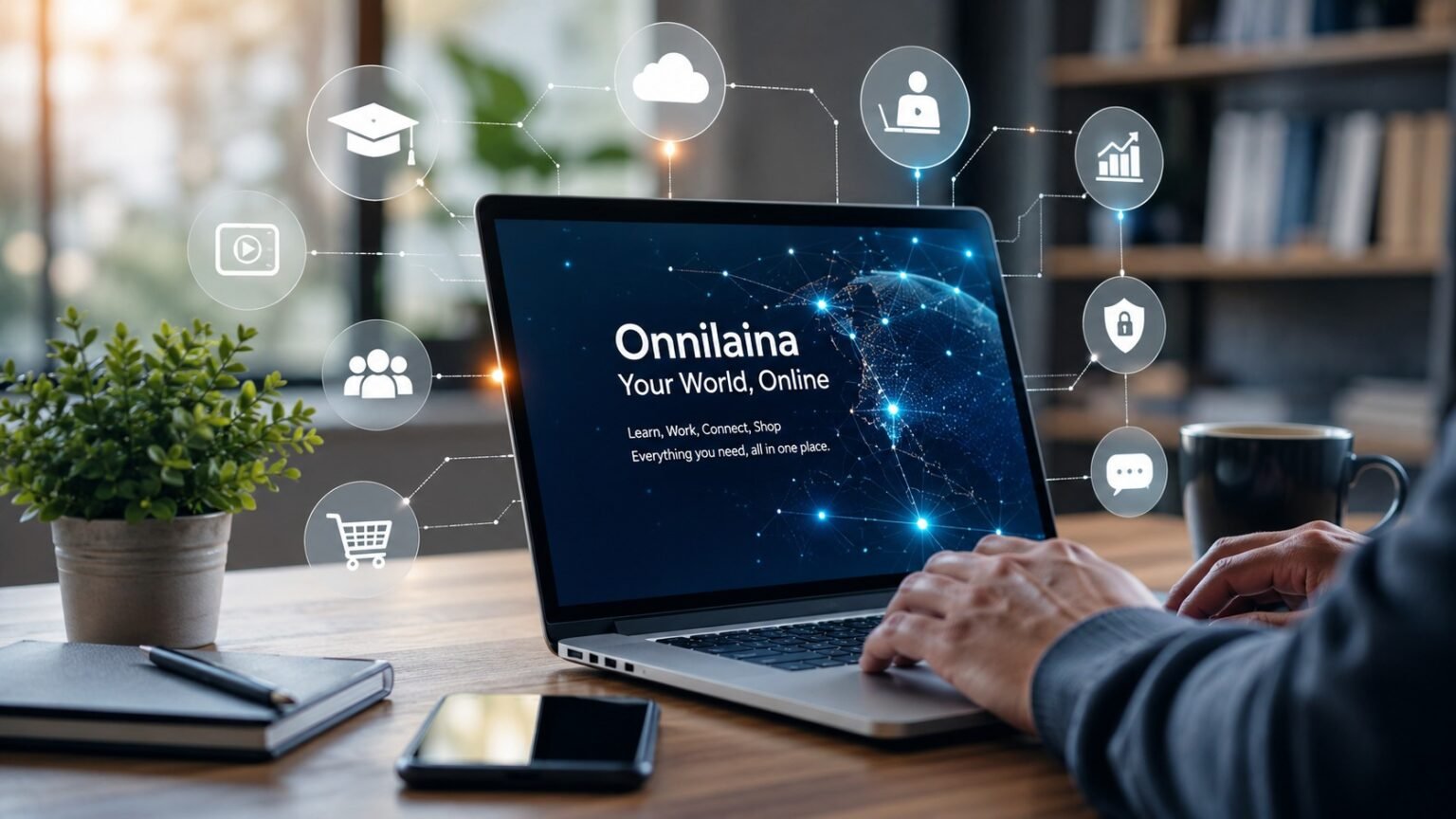
The internet has transformed nearly every aspect of modern life, making it easier to communicate, learn, work, shop, and access essential services from almost anywhere. As more people rely on digital platforms for everyday tasks, terms like Onnilaina have started appearing in online searches. While the word itself is not widely recognized as a formal technical term, it is commonly used in connection with activities, services, and experiences that take place online.
For many users, understanding Onnilaina is less about learning a specific technology and more about understanding how today’s digital world functions. From online education and remote work to e-commerce and virtual healthcare, internet-based solutions continue to reshape personal and professional life.
This guide explains what Onnilaina means, why it is gaining attention, how it works, its benefits, challenges, practical uses, and what the future may hold for online experiences.
What Is Onnilaina?
Onnilaina generally refers to activities, services, resources, or interactions that are conducted through the internet. Rather than describing one specific platform or company, the term is often associated with the broader online environment where people access information, communicate, complete transactions, and use digital services.
Today, millions of people depend on online tools for daily routines. Whether attending virtual classes, paying bills online, managing a business remotely, or streaming entertainment, these internet-powered experiences all reflect the broader concept often associated with Onnilaina.
Because internet access has become more widespread across the world, online services now play an essential role in education, healthcare, finance, entertainment, and countless other industries.
What Does Onnilaina Mean?
The meaning of Onnilaina is closely connected to the idea of being online. In many contexts, the word is used to describe anything that operates through an internet connection instead of requiring physical presence.
Depending on the context, Onnilaina may refer to:
- Online communication
- Digital learning platforms
- Internet-based business services
- Remote work tools
- E-commerce websites
- Cloud-based applications
- Virtual collaboration environments
Although the exact usage may vary between regions or languages, the underlying concept remains the same: using the internet to complete tasks, access information, or connect with others more efficiently.
Why Is Onnilaina Gaining Attention?
The growing popularity of digital technology has made online services a normal part of everyday life. As internet speeds improve and smartphones become more affordable, more people can participate in digital activities than ever before.
Several factors explain why interest in Onnilaina continues to grow.
First, online platforms save time by allowing users to complete tasks without traveling. People can pay bills, schedule appointments, order groceries, or attend meetings from home.
Second, businesses increasingly offer digital services to reach customers across different locations. This expansion has created more opportunities for both consumers and entrepreneurs.
Finally, global events over recent years have accelerated digital adoption, encouraging schools, workplaces, healthcare providers, and governments to expand their online services.
These developments have made internet-based experiences an important part of modern society.
Key Features of Onnilaina
Online environments share several characteristics that make them valuable for individuals and organizations alike.
Some of the most important features include:
- Easy access from multiple devices
- Real-time communication
- Cloud-based storage and collaboration
- Instant information sharing
- Digital payment systems
- Remote accessibility
- Continuous availability
- Global connectivity
These features allow users to perform tasks faster while reducing many of the geographical limitations associated with traditional services.
How Onnilaina Works
At its core, Onnilaina depends on internet connectivity and digital infrastructure. Users connect through computers, smartphones, tablets, or other internet-enabled devices to access websites, applications, or cloud services.
Most online platforms operate through a simple process:
- A user connects to the internet.
- The user visits a website or opens an application.
- Information is exchanged securely between the user’s device and remote servers.
- The requested service, content, or functionality becomes available almost instantly.
Modern cloud computing has further improved this process by allowing data to be stored remotely rather than on individual devices. As a result, users can access their information from almost anywhere with an internet connection.
This seamless connectivity has become one of the defining strengths of today’s digital ecosystem.
Major Benefits of Onnilaina
The continued growth of online services is largely driven by the many advantages they offer. Whether someone is a student, business owner, employee, or casual internet user, digital platforms make everyday tasks more convenient and accessible.
One of the biggest benefits is accessibility. People can connect to online services at any time and from almost any location with a stable internet connection. This flexibility removes many of the geographical barriers that once limited education, business, and communication.
Another major advantage is efficiency. Tasks that previously required travel, paperwork, or long waiting times can now be completed in minutes. Online banking, appointment booking, bill payments, and document sharing are just a few examples of how digital services save valuable time.
Onnilaina also supports global communication. Video conferencing, messaging applications, and collaboration platforms enable people to work together regardless of where they are located. This has become especially valuable for international businesses and remote teams.
In addition, online platforms create new learning and career opportunities. Educational courses, professional certifications, freelance work, and digital entrepreneurship are now available to millions of people worldwide.
Common Uses of Onnilaina
Today, online services are integrated into almost every aspect of daily life. Individuals and organizations rely on digital platforms for education, healthcare, business operations, entertainment, and much more.
Some of the most common applications include:
- Learning through online courses
- Working remotely
- Shopping on e-commerce websites
- Accessing banking services
- Booking travel and accommodations
- Streaming movies and music
- Managing business operations
- Using cloud storage and collaboration tools
- Participating in virtual meetings
- Communicating through social media and messaging apps
These applications continue to expand as technology evolves and internet access improves.
Education and Online Learning
Education has experienced one of the most significant digital transformations. Schools, universities, and training organizations increasingly provide online learning opportunities that allow students to study from almost anywhere.
Online education offers several advantages, including flexible schedules, self-paced learning, recorded lectures, interactive assignments, and access to educational resources from around the world.
Students can also participate in discussion forums, virtual classrooms, and collaborative projects without being physically present. This flexibility benefits working professionals, lifelong learners, and individuals living in remote areas.
Although traditional classrooms remain valuable, online learning has become an important complement to modern education.
Remote Work and Business
Remote work has become a permanent part of many industries. Businesses now use cloud-based software, video conferencing, project management tools, and instant messaging platforms to coordinate work across different locations.
Employees benefit from greater flexibility, reduced commuting time, and improved work-life balance, while employers can recruit talent from a much larger geographic area.
Small businesses have also benefited from digital transformation. Entrepreneurs can launch online stores, market products through digital channels, communicate with customers, and manage operations using internet-based tools with relatively low startup costs.
E-commerce and Online Shopping
Online shopping has changed the way consumers purchase products and services. Instead of visiting physical stores, shoppers can compare prices, read customer reviews, and complete secure transactions from their computers or smartphones.
E-commerce platforms offer convenience, wider product selections, and home delivery options that save both time and effort.
Businesses also benefit by reaching customers beyond their local markets. Digital storefronts allow companies to operate around the clock while serving buyers from different regions or even different countries.
As secure payment systems continue to improve, online shopping is expected to remain one of the fastest-growing areas of digital commerce.
Healthcare and Telemedicine
Healthcare providers increasingly use online technologies to improve patient care and accessibility. Telemedicine allows patients to consult healthcare professionals remotely for many non-emergency medical concerns.
Online healthcare services often include appointment scheduling, virtual consultations, electronic prescriptions, access to medical records, and patient education resources.
These digital solutions are particularly valuable for individuals living in rural communities or those with limited mobility, helping reduce unnecessary travel while maintaining access to healthcare professionals.
Entertainment and Digital Media
Entertainment has become more accessible through internet-based platforms. Users can stream movies, television shows, music, podcasts, and live events whenever it suits their schedules.
Online gaming has also become increasingly popular, connecting players across the world through multiplayer experiences and virtual communities.
Content creators now have opportunities to share videos, articles, artwork, and educational materials with global audiences through various digital platforms, making entertainment more interactive than ever before.
Onnilaina vs Traditional Offline Services
Although online services have become increasingly popular, traditional offline services continue to play an important role. Each approach has its own strengths, and the best choice often depends on the user’s needs.
| Feature | Onnilaina (Online Services) | Traditional Offline Services |
| Accessibility | Available from almost anywhere with internet access | Requires visiting a physical location |
| Convenience | High, with 24/7 availability for many services | Limited by business hours |
| Speed | Instant access to information and services | May involve waiting or travel |
| Communication | Virtual through messaging, calls, and video meetings | Face-to-face interaction |
| Cost | Often reduces travel and operational expenses | May involve transportation and additional costs |
| Flexibility | Can be accessed using multiple devices | Usually location-dependent |
Rather than replacing offline services completely, online solutions often complement them. Many organizations now combine both approaches to provide greater flexibility and improve customer experiences.
Challenges and Limitations of Onnilaina
Despite its many advantages, Onnilaina also comes with certain challenges that users should understand.
One of the most common issues is information overload. With so much content available online, it can be difficult to identify reliable and trustworthy sources. Users should always verify important information before relying on it.
Privacy is another concern. Many online services collect user data to improve functionality or personalize experiences. Reading privacy policies and adjusting account settings can help users better understand how their information is handled.
Cybersecurity threats such as phishing emails, fake websites, malware, and identity theft remain ongoing risks. These threats highlight the importance of practicing good online security habits.
Not everyone has equal access to high-speed internet or modern digital devices. This digital divide continues to limit opportunities for some individuals and communities, particularly in underserved areas.
Finally, excessive screen time can affect productivity, physical health, and overall well-being. Maintaining a healthy balance between online and offline activities is essential.
Privacy and Security Best Practices
Protecting personal information should always be a priority when using online services.
Some practical security practices include:
- Create strong and unique passwords for every account.
- Enable multi-factor authentication whenever possible.
- Keep operating systems and applications updated.
- Avoid clicking suspicious emails or unknown links.
- Download software only from trusted sources.
- Regularly back up important files.
- Use secure internet connections, especially when handling sensitive information.
- Review privacy settings on websites and applications periodically.
Following these simple practices can significantly reduce the risk of cyber threats and unauthorized access.
Tips for Using Onnilaina Effectively
Making the most of online services requires thoughtful and responsible use.
Consider the following tips:
- Set clear goals before spending time online.
- Choose reliable websites and trusted information sources.
- Continue developing digital literacy skills.
- Organize files using secure cloud storage when appropriate.
- Manage notifications to reduce distractions.
- Take regular breaks from screens to support physical and mental well-being.
- Stay informed about new technologies and online safety practices.
Using online platforms intentionally helps improve productivity while minimizing unnecessary distractions.
Common Myths About Onnilaina
As online services continue to evolve, several misconceptions remain common.
Myth 1: Everything online is trustworthy.
Not all online information is accurate. Always verify facts using reputable and authoritative sources.
Myth 2: Online services are only for technology experts.
Most modern platforms are designed with user-friendly interfaces that make them accessible to beginners.
Myth 3: Online learning is less valuable than traditional learning.
Many accredited institutions now offer high-quality online courses that provide flexible and effective educational opportunities.
Myth 4: Strong passwords alone provide complete protection.
While important, passwords should be combined with multi-factor authentication and other security measures.
Myth 5: Online services will completely replace offline experiences.
In reality, many organizations successfully combine digital and in-person services to meet different user needs.
Who Can Benefit from Onnilaina?
The advantages of online services extend to people from many different backgrounds.
Students benefit by accessing educational resources, attending virtual classes, and participating in online discussions.
Professionals can improve productivity through remote work, digital collaboration, and online skill development.
Business owners use digital platforms to reach wider audiences, manage operations efficiently, and communicate with customers.
Healthcare providers enhance patient access through telemedicine and digital health records.
Consumers enjoy convenient shopping, online banking, travel bookings, entertainment, and customer support from the comfort of their homes.
In short, almost anyone with internet access can benefit from the opportunities provided by online environments.
Future Trends of Onnilaina
Digital technology continues to evolve rapidly, and online services are expected to become even more integrated into everyday life.
Artificial intelligence is already helping automate customer support, personalize recommendations, and improve search experiences.
Cloud computing will continue supporting remote collaboration and secure access to information across multiple devices.
Virtual reality (VR) and augmented reality (AR) may further transform education, healthcare, shopping, and workplace training by creating more immersive digital experiences.
Cybersecurity technologies are also expected to advance, helping organizations better protect user data from increasingly sophisticated threats.
At the same time, expanding internet infrastructure may provide reliable online access to more communities worldwide, helping reduce the digital divide and creating new opportunities for education, business, and innovation.
Frequently Asked Questions
What is Onnilaina?
Onnilaina generally refers to activities, services, or interactions that take place online through the internet rather than in physical locations.
Is Onnilaina a specific website or platform?
No. Based on currently available information, Onnilaina is generally used as a broad term related to online environments and internet-based services rather than referring to one specific platform.
What are the biggest advantages of Onnilaina?
Some of the main benefits include convenience, accessibility, faster communication, flexible learning, remote work opportunities, and access to a wide range of digital services.
What are the main risks of using online services?
Users should be aware of cybersecurity threats, privacy concerns, misinformation, scams, and excessive screen time. Following good security practices can help reduce these risks.
How can beginners use Onnilaina safely?
Beginners should use trusted websites, create strong passwords, enable multi-factor authentication, keep software updated, and verify information before sharing personal details or making important decisions.
Conclusion
Onnilaina reflects the growing importance of internet-based services in today’s connected world. Whether used for education, business, healthcare, communication, shopping, or entertainment, online platforms have made many everyday tasks more accessible and efficient.
At the same time, making the most of these opportunities requires responsible digital habits, critical thinking, and a strong focus on privacy and security. By understanding both the advantages and the challenges of online environments, individuals and organizations can use digital technologies more effectively while reducing potential risks.
As technology continues to advance, Onnilaina will remain an important part of modern life, supporting innovation, global connectivity, and new opportunities for learning, collaboration, and growth.